Brand Strategy
Why the New Tesla Roadster is a Masterclass in Brand Positioning
By Victor · 8 min read
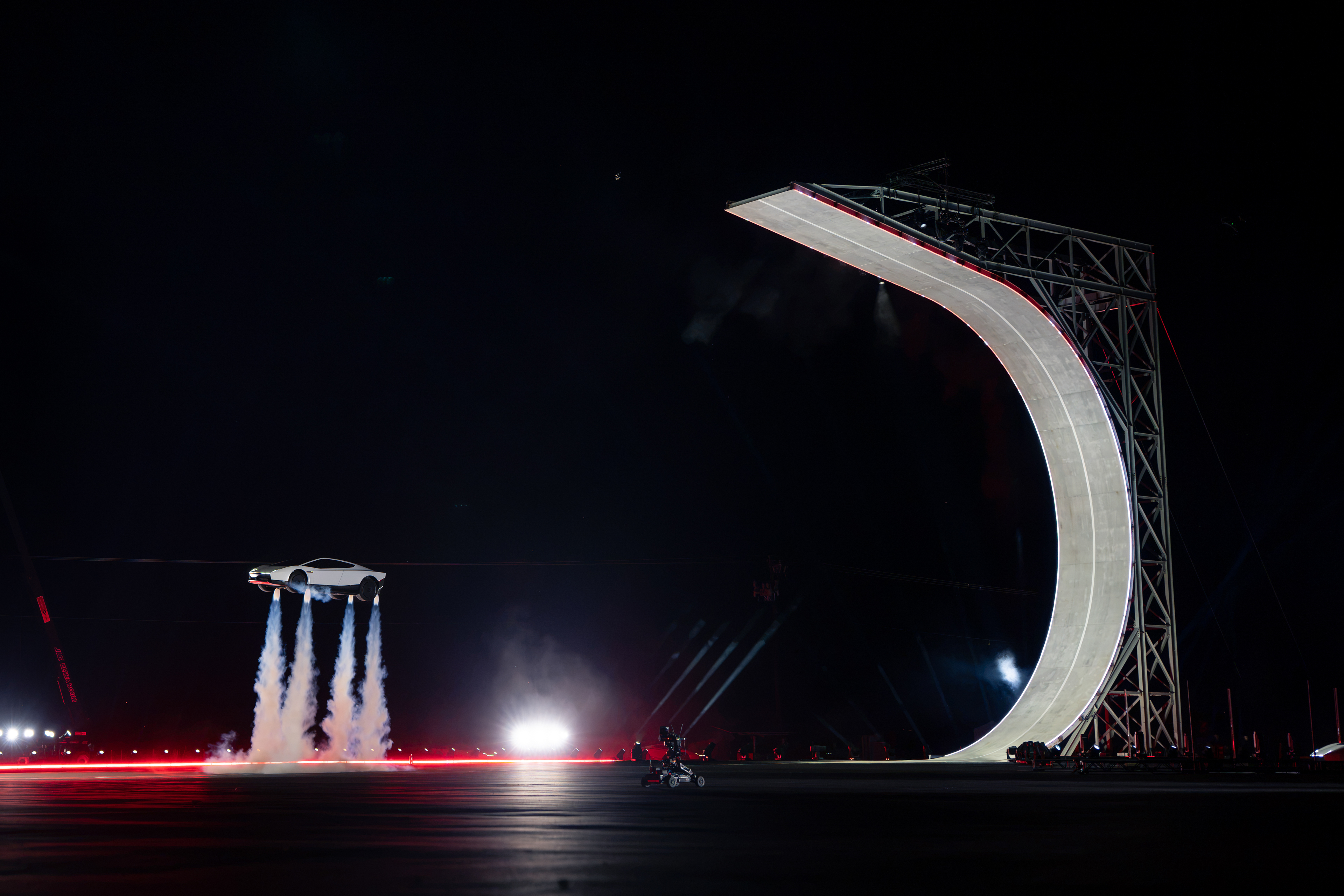
In the competitive landscape of automotive marketing, few companies have mastered the art of brand positioning quite like Tesla. While the Model 3 and Model Y have democratized electric vehicle ownership, the upcoming Tesla Roadster represents something far more strategic: a halo product that elevates the entire brand while redefining what performance vehicles can achieve. The new Roadster, first unveiled in 2017 and continuously refined since, exemplifies how a single product can reshape market perceptions, command premium positioning, and generate sustained brand equity, even before its official release.
The Halo Effect: Elevating the Entire Brand
At its core, the Roadster serves as Tesla’s ultimate halo product, a flagship offering that casts a positive glow across the entire product lineup. With promised specifications including 0-60 mph in under 1.9 seconds, a top speed exceeding 250 mph, and a range of 620 miles, the Roadster doesn’t just compete with high-performance vehicles; it transcends them. This aspirational positioning creates a psychological ladder where consumers who purchase a Model 3 aren’t simply buying an electric sedan, they’re buying into a brand that produces the world’s fastest production car.
This strategy mirrors the playbook used successfully by luxury automotive brands for decades. Ferrari’s limited-edition hypercars elevate the desirability of their entire range. Porsche’s 911 GT models add prestige to Cayenne SUV sales. Tesla has adapted this approach for the electric age, using the Roadster to signal that electric vehicles aren’t compromises but the ultimate expression of automotive performance.
Scarcity as Strategy
Tesla’s approach to the Roadster’s release timeline and availability demonstrates sophisticated understanding of luxury brand positioning. By maintaining an extended development timeline and announcing limited production numbers, Tesla has created artificial scarcity that drives demand and preserves exclusivity. The $250,000 base price, with Founder Series models commanding $50,000 deposits, positions the vehicle firmly in hypercar territory alongside Bugatti, Koenigsegg, and McLaren.
This scarcity strategy serves multiple purposes. First, it generates continuous media coverage and consumer interest over years, providing free marketing value that far exceeds traditional advertising budgets. Second, it maintains pricing power, scarcity prevents the price erosion that affects mass-market vehicles. Third, it creates aspirational value that filters down to more accessible Tesla models, allowing the brand to command premium pricing across its entire lineup.
Performance Metrics as Brand Narrative
Tesla has leveraged the Roadster’s extraordinary performance specifications to control the narrative around electric vehicle capabilities. The promised sub-2-second 0-60 time doesn’t just appeal to speed enthusiasts; it fundamentally challenges the assumption that electric vehicles are practical but uninspiring. Every mention of these specifications in automotive media reinforces Tesla’s position as the performance leader in electrification.
The inclusion of SpaceX cold gas thrusters as an optional “SpaceX package”, promising even more dramatic acceleration and handling, demonstrates how Tesla blurs the lines between automotive engineering and aerospace technology. This cross-pollination with Elon Musk’s other ventures creates a unique brand story: Tesla isn’t just an automaker, but a technology company that approaches transportation with first-principles thinking. This positioning attracts consumers who see themselves as early adopters and technology enthusiasts, not simply car buyers.
Disrupting Traditional Performance Hierarchies
Traditional automotive brands have spent decades building performance hierarchies based on engine technology, racing heritage, and mechanical complexity. The internal combustion engine, particularly in its most exotic forms, has represented the pinnacle of automotive achievement. Tesla’s Roadster disrupts this hierarchy by using electric propulsion, previously dismissed by performance enthusiasts, to deliver superior performance metrics.
This disruption serves Tesla’s broader positioning strategy perfectly. By beating legacy manufacturers at their own game, Tesla positions electric vehicles not as alternatives to performance cars but as their evolution. The Roadster makes a bold statement: the future of high performance is electric, and Tesla is leading that future.
Building Brand Equity Through Anticipation
Perhaps the most sophisticated aspect of the Roadster’s brand positioning is how Tesla has leveraged anticipation itself as a marketing tool. Since its 2017 unveiling, the Roadster has generated countless articles, videos, and discussions. Each update, each public appearance, and each new promised specification adds to the vehicle’s mythology.
This extended reveal cycle has allowed Tesla to shape the narrative on its own terms, respond to competitive threats, and adjust specifications to maintain market leadership, all while collecting interest-free deposits that fund current operations. The anticipation builds not just for the Roadster itself but for Tesla’s continued innovation, reinforcing the brand’s forward-thinking image.
The Accessible Aspiration Paradox
While the Roadster’s $250,000 price tag places it out of reach for most consumers, Tesla has carefully positioned it as the ultimate expression of a brand whose products start at under $40,000. This creates what might be called the “accessible aspiration paradox”, the Roadster is unattainable for most, but the brand that creates it remains accessible through more affordable models.
This positioning strategy allows Tesla to occupy a unique space in the automotive market: a luxury performance brand that also serves the mass market. The Roadster validates premium pricing across the lineup while the Model 3 provides an entry point into the brand ecosystem. Consumers who might never purchase a Roadster still benefit psychologically from its existence, feeling they own a piece of the brand that produces such extraordinary vehicles.
Conclusion
The new Tesla Roadster exemplifies strategic brand positioning through its halo effect on the broader product range, sophisticated use of scarcity and anticipation, disruption of traditional performance hierarchies, and creation of accessible aspiration. By positioning a single product at the absolute pinnacle of performance, Tesla has elevated its entire brand, justified premium pricing, and redefined consumer expectations for electric vehicles.
As the automotive industry transitions toward electrification, Tesla’s Roadster strategy offers a masterclass in how to position a brand for the future while commanding premium status today. Whether or not the Roadster ultimately delivers on every promised specification, it has already achieved its primary purpose: cementing Tesla’s position as the aspirational leader in electric performance vehicles. In brand positioning, perception often matters more than reality, and Tesla has shaped that perception with remarkable precision.


Leave a Reply