Brand Strategy
From Utility to Wilderness: How Rivian Nailed Lifestyle-Driven EV Positioning
By Victor · 7 min read
When early EV disruptors and legacy automakers entered the electric transition, they largely rallied around a shared marketing playbook: sell the future through high-tech utility. Touchscreen monoliths, minimalist cockpits, drag coefficients, and sub-three-second acceleration metrics dominated digital campaigns and dealer showrooms. The vehicle was framed almost exclusively as a rolling supercomputer—an algorithmically optimized solution to an urban commute.
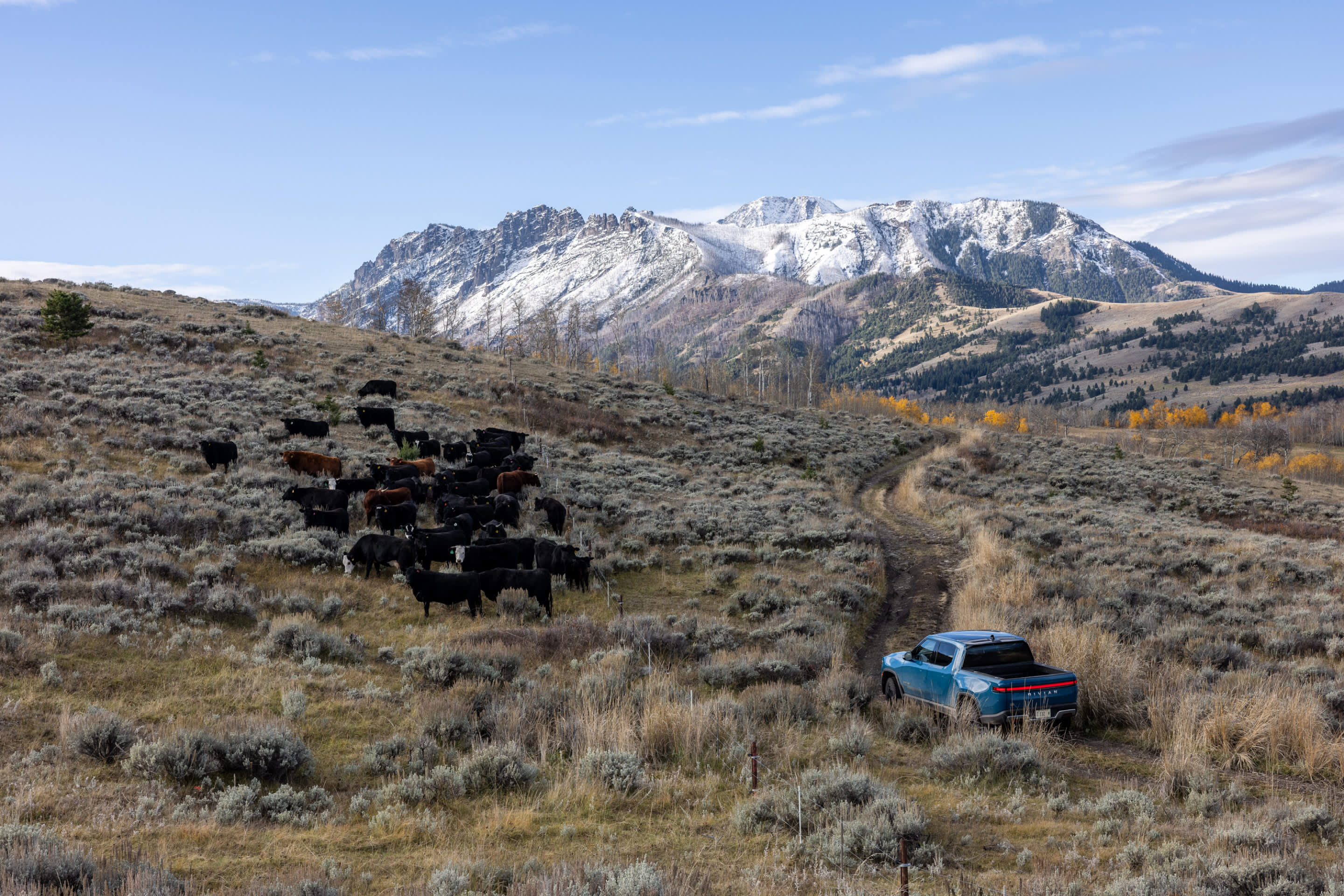
Rivian deliberately bypassed that sterile, Silicon Valley aesthetic. Instead of positioning its trucks and SUVs around computational horsepower and battery chemistry, the company built its identity around dirt, mountains, and experiential freedom. In doing so, Rivian executed one of the sharpest positioning pivots in modern mobility: transforming the electric vehicle from a tech appliance into rugged gear for outdoor exploration.
The Core Angle: Moving Beyond Kilowatt-Hours and Range Anxiety
In early product adoption lifecycles, spec-sheet marketing is table stakes. Tech enthusiasts and early adopters want to inspect kilowatt-hours, charging curves, and peak torque outputs. But as a category matures toward the early majority, leading strictly with technical metrics yields diminishing returns. When virtually every premium electric vehicle accelerates rapidly and delivers viable highway range, engineering specs stop functioning as a brand moat.
| Dimension | Conventional EV Positioning | Rivian Adventure Positioning |
|---|---|---|
| Primary Narrative | Cold technocracy & efficiency | Experiential wilderness access |
| Emotional Hook | Status, speed, software ecosystem | Autonomy, rugged exploration |
| Hardware Role | Connected computing device | Expedition gear / enabler tool |
| Core Archetype | The Sage / The Ruler | The Explorer / The Caregiver |
Rivian understood that an automobile purchase is an emotional projection of personal identity rather than an engineering audit. By anchoring its narrative in outdoor exploration, the company systematically reframed how consumers perceive battery capacity and electric mobility:
- Range as Autonomy, Not Anxiety: In traditional EV advertising, range is a defensive conversation designed to assuage fears of getting stranded between highway exits. For Rivian, battery capacity represents off-grid reach: the freedom to venture deep into public lands, power camp equipment overnight, and return without leaving a trace.
- Utility as Functional Readiness: Rather than debating software latency or glass roof aerodynamics, Rivian emphasizes tactile utility—durable washable flooring, quad-motor crawl control, built-in air compressors, and lockable storage tailored for gear bags and climbing equipment.
- Community Stewardship: Environmental responsibility is not presented as an abstract corporate ESG scorecard. It is framed around active conservation—preserving public trails and silent forests so drivers can experience wilderness without exhaust fumes or engine clatter.
Ecosystem Storytelling: The Configurator as a Lifestyle Portal
Many legacy automakers treat outdoor accessories and expedition gear as aftermarket afterthoughts relegated to PDF catalogs or third-party dealerships. Rivian, by contrast, integrated lifestyle equipment directly into its core brand architecture and digital ordering flow.
When prospective buyers configure an R1T or R1S, they aren’t simply picking wheel finishes and interior upholstery. They are invited to bundle integrated slide-out camp kitchens, three-person rooftop tents, bespoke cargo crossbars, and factory recovery gear directly into their vehicle order. This operational choice achieves two critical marketing objectives:
- Selling the Experience: Customizing expedition hardware at checkout shifts the buyer’s mindset from purchasing high-voltage machinery to planning an outdoor adventure. The configurator becomes a portal into a lifestyle.
- Identity Validation: Even if an owner spends the workweek navigating suburban traffic, the physical presence of expedition gear validates their aspirational self-image. The vehicle represents latent capability—an open invitation to head off-grid at a moment’s notice.
Archetypal Alignment: The Explorer Meets The Caregiver
Automotive marketing has historically leaned on aggressive archetypes: the dominant conqueror typical of heavy-duty pickups, or the cerebral technologist favored by Silicon Valley EV brands. Rivian positioned itself squarely at the intersection of The Explorer (driven by discovery and self-reliance) and The Caregiver (committed to protecting passengers and the natural environment).
This archetypal balance is reflected across every brand touchpoint:
- Approachable Industrial Design: The signature vertical “stadium” headlights bypass the predatory, hostile front fascias common in modern trucks. They project friendliness, curiosity, and technological warmth.
- Purpose-Built Charging Infrastructure: Rather than installing chargers exclusively along crowded interstate corridors, the Rivian Adventure Network deployed Level 3 fast chargers directly near trailheads, state parks, and national recreation areas. This tangible infrastructure deployment backs up the brand promise: facilitating travel where conventional charging stops.
- Cultural Alignment: Slogans like “Keep the world adventurous forever” speak directly to the values of the REI and Patagonia demographic—consumers who demand serious engineering competence paired with genuine environmental responsibility.
Conclusion: Winning Through Cultural Resonance
Rivian’s success in carving out an enviable niche underscores an enduring brand positioning lesson: when the rest of the industry is caught in a feature-and-spec war, differentiation comes from cultural and emotional resonance.
By framing battery power as an enabler of wilderness exploration rather than an alternative to petroleum, Rivian turned electrification into an aspirational badge. The brand proves that breaking through in a hyper-competitive, tech-heavy category requires answering not just what the machine can compute, but who the customer dreams of becoming behind the wheel.


Leave a Reply